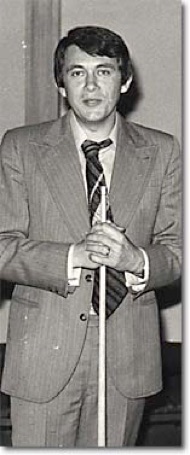
Štefan Kužela, PhD. (director of the Institute of Molecular Biology, Slovak Academy of Sciences and professor of biochemistry at the Faculty of Natural Sciences, Comenius University in Bratislava) died on March 9, 1994 by sudden heart failure. It was a great loss for Slovak culture. He was not a poet, he was a scientist, but he was creating new European vision of Slovak culture.
He was well-established researcher in world scientific community. As a student in 1964, he almost uncovered the role of cAMP in the cell, the finding for which Dr. Sutherland received the Nobel prize in 1971.
August 1968, Russian invasion of our country, and later communist persecutions slowed down his scientific career. It must have happened, because he made no compromise in questions of morality, human rights and dignity.
In 1989, when communist government was overthrown, he was intensively participating in healing of Slovak deformed reality. Unfortunately, he died just when he had a chance and conditions to fulfill his visions and to use his exceptional gifts.
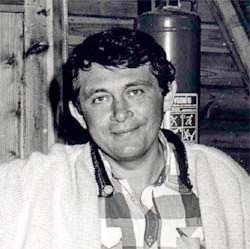
Despite the fact that scientific career of Štefan Kužela was interrupted in 1970’s by communist persecutions, he remained scientifically active and begun to organize unofficial seminars in his office at the Institute of Experimental Oncology, Slovak Academy of Sciences.
After the Velvet Revolution in 1989, he was enabled to teach at the Comenius University once again. He was also heading the Institute of Molecular Biology, Slovak Academy of Sciences, where he initiated so called Monday seminars.
Unfortunately, Štefan Kužela died in 1994 in the middle of his efforts to re-establish normality into Slovak twisted society.
Kužela lectures organized by the Departments of Biochemistry and Genetics at the Faculty of Natural Sciences, Comenius University in Bratislava are continuing this tradition. They remind us Štefan and the meaning of his lifework.
In 2008, we named a seminar room at the Department of Biochemistry to his honour.
We will never forget.
Upcoming lecture(s)
- 137. Lecture [10.11.2025]
Functional relevance of mycobacterial phenotypic variation
Giulia Manina - Institut Pasteur, Université Paris Cité, Paris, France
Abstract
Previous lectures
2025
136. Lecture [03.10.2025]
From data to insight: Unlocking the potential of large data to discover novel biology
Maurits Roorda - Department of Clinical Pharmacy and Pharmacology, University Medical Center Groningen, Groningen, The Netherlands
Abstract135. Lecture [24.09.2025]
Computational and AI models for analyzing non-coding regions and cell-free RNA in cancer detection
Fereydoun Hormozdiari - Department of Biochemistry and Molecular Medicine, University of California Davis, School of Medicine, USA
Abstract134. Lecture [16.04.2025]
Going big and small to find treatments for chronic infections
Richard Lee - St Jude Children’s Research Hospital, Memphis, TN, USA
Abstract133. Lecture [21.03.2025]
Transcription on the edge: Balancing gene expression and genome stability
Marek Šebesta - CEITEC, Masarykova univerzita, Brno, Česká republika
Abstract
2024
132. Lecture [29.11.2024]
Isogrowth profiling for perturbation biology
Martin Lukačišin - Department of Genetics, Faculty of Natural Sciences, Comenius University, Bratislava, Slovakia
Abstract131. Lecture [30.10.2024]
TRNT1 and tRNA maturation: Unraveling the molecular pathophysiology of SIFD
Martin Holčík - Department of Health Sciences, Carleton University, Ottawa, Canada
Abstract130. Lecture [2.10.2024]
Compensatory evolution to impaired microtubule dynamics: why are tubulins different?
Andrea Ciliberto - IFOM ETS - The AIRC Institute of Molecular Oncology, Via Adamello 16, 20139 Milano, Italy
Abstract129. Lecture [17.5.2024]
Mitochondria on the move: From horizontal mitochondrial transfer to liver regeneration
Jiří Neužil - Griffith University, Southport, Australia & Biotechnologický ústav AV ČR
Abstract128. Lecture [26.3.2024]
From cindarians to other creatures: Investigating the principles of building animal bodies
Jaroslav Ferenc - European Molecular Biology Laboratory, Heidelberg, Germany
Abstract127. Lecture [22.3.2024]
G-quadruplex DNA for genetic engineering in Bacteria
Ján Jamroškovič - Ústav molekulárnej biológie SAV, Bratislava
Abstract126. Lecture [23.2.2024]
BacPROTACs - Antibiotics of the future?
Tim Clausen - Research Institute of Molecular Pathology, Vienna, Austria
Abstract
2023
125. Lecture [21.11.2023]
Of Fish and Us
Peter Fabian - Central European Institute of Technology, Brno, Czech Republic
Abstract124. Lecture [16.3.2023]
Resolving the black box of PFAS toxicity: Using a whole-body organism to explore and define toxic endpoints
Samantha Hughes - Environmental Health & Toxicology Department the Vrije Universiteit Amsterdam
Abstract
2022
- 123. Lecture [28.4.2022]
Biely, béžový a hnedý tuk - Keď na farbe záleží
Miroslav Baláž - Ústav experimentálnej endokrinológie, Biomedicínske centrum SAV
Abstract
2021
122. Lecture [24/11/2021]
Using Chemistry to Understand Genomic Data
Mary Jo Ondrechen - Department of Chemistry and Chemical Biology, Northeastern University, Boston, USA
Abstract121. Lecture / 5. Webinar [01/06/2021]
Ying and Yang of G-quadruplexes for genome stability
Karin Paeschke - University Clinic Bonn, Department of Hematology and Oncology, Bonn, Germany
Abstract120. Lecture / 4. Webinar [25/05/2021]
Cerebrospinal fluid biomarkers and machine learning help us understand biology and pathology of multiple sclerosis
Peter KOSA - National Institute of Allergy and Infectious Diseases, NIH, Bethesda, MD, USA
Abstract119. Lecture / 3. Webinar [04/05/2021]
Mechanochemical crosstalk during Hydra regeneration
Charisios Tsiairis - Friedrich Miescher Institute for Biomedical Research, Basel, Switzerland
Abstract118. Lecture / 2. Webinar [20/04/2021]
The mitochondrial genome as a trascriptional condensate
Marina Feric - National Cancer Institute, National Institutes of Health (NIH), Bethesda, MD, USA
Abstract
2020
117. Lecture / 1. Webinar [19/05/2020]
Regulation of epithelial development by membrane anchored serine proteases
Roman Szabo - Proteases and Tissue Remodeling Section, National Institute of Dental and Craniofacial Research, NIH Bethesda, MD, USA
Abstract116. Lecture [14/01/2020]
Mitochondria of diplonemids - Nature’s treasure troves of genetic eccentricities
Matúš Valach - Department of Biochemistry and Robert-Cedergren Centre for Bioinformatics and Genomics, Université de Montréal, Montreal, Quebec, Canada
Abstract
2019
115. Lecture [9/12/2019]
What can fish teach us about our head?
Peter Fabian - University of Southern California, Stem Cell Biology and Regenerative Medicine, Los Angeles, USA
Abstract114. Lecture [22/11/2019]
Nuclear tRNA export in Trypanosoma brucei
Eva Hegedűsová - Institute of Parasitology, Biology Centre, Czech Academy of Sciences, České Budějovice, Czech Republic
Abstract113. Lecture [17/09/2019]
A new link between azole resistance pathways in Candida glabrata
Scott Moye-Rowley - Professor of Molecular Physiology and Biophysics University of Iowa, Iowa City, USA
Abstract112. Lecture [21/05/2019]
What can we learn from Parkinson’s disease-related mutations?
Dominika Truban - Department of Neuroscience, Mayo Clinic, Jacksonville, FL, USA
Abstract
2018
111. Lecture [13/11/2018]
Evolution of flower colour in snapdragons
Nick Barton - Institute of Science and Technology (IST Austria), Klosterneuburg, Austria
Abstract110. Lecture [11/05/2018]
Science behind laboratory testing: To test or not to test?
Maja Chloupková - Legacy Laboratory Services, Portland, USA
Abstract
2017
109. Lecture [24/11/2017]
The dynamics of nucleoprotein filaments formed by human RAD51 - DNA recombinase
Mário Špírek - Department of Biology, Masaryk University & International Clinical Research Center, St. Anne’s University Hospital Brno, Czech Republic
Abstract108. Lecture [10/11/2017]
Why is our immune system selfish?
Tomáš Doležal - University of South Bohemia, České Budějovice, Czech Republic
Abstract107. Lecture [06/06/2017]
Translational bypassing and other forms of recoding
John F. Atkins - University College Cork (Ireland), University of Utah (USA)
Abstract106. Lecture [31/03/2017]
The first 30 years of T-cell receptor signaling: still searching for a trigger
Dominik Filipp - Ústav molekulární genetiky, AV ČR, Praha, Česká republika
Abstract
2016
105. Lecture [23/11/2016]
ABP Gene Copy Number Variation (CNV) in Wild Mus musculus populations
Christina M. Laukaitis & Robert C. Karn - Departments of Medicine and Nutrition, University of Arizona College of Medicine, Tuscon, AZ, USA
Abstract104. Lecture [18/5/2016]
Found in translation: From genomics to novel gene functions
Andrea Pauli - The Research Institute of Molecular Pathology, Vienna, Austria
Abstract103. Lecture [4/3/2016]
Monoxenous trypanosomatids are model organisms to study origin of parasitism and endosymbiosis
Vyacheslav Yurchenko - Life Science Research Centre, University of Ostrava, Ostrava, Czech Republic
Abstract
2015
102. Lecture [05/27/2015]
Protecting the genome by homologous recombination
Maria Jasin - Memorial Sloan Kettering Cancer Center, New York, USA
Abstract101. Lecture [03/25/2015]
Genome (in)stability: Mechanisms and relevance for cancer development and treatment
Jiří Bártek - Danish Cancer Society Research Center, Copenhagen, Denmark
Abstract100. Lecture [03/13/2015]
From little science to Big Science
Gottfried Schatz - University of Basel, Switzerland
Abstract | Photo gallery99. Lecture [02/26/2015]
Plant chromosome genomics
Jan Šafář - Institute of Experimental Botany, Olomouc, Czech Republic
Abstract
2014
98. Lecture [05/12/2014]
Homologous recombination: Regulation and therapeutic targeting
Lumír Krejčí - Department of Biology and National Centre for Biomolecular Research, Masaryk University & International Clinical Research Center St. Anne’s University Hospital, Brno, Czech Republic
Abstract97. Lecture [24/09/2014]
Precision medicine through integrative computational biology
Igor Jurisica - Princess Margaret Cancer Centre, Toronto, Canada
Abstract96. Lecture [21/03/2014]
To the cell membrane and back again: The role of protein trafficking in adaptive and innate immunity
Vladimír Leksa - Institute of Molecular Biology; Slovak Academy of Science; Bratislava & Medical University of Vienna; Vienna; Austria
Abstract95. Lecture [14/03/2014]
From Bones to Genomes: Current State of Ancient DNA Research
Stefan Prost - University of Otago, New Zealand & Swedish Natural History Museum, Stockholm, Sweden
Abstract
2013
94. Lecture [15/11/2013]
Recruitment of transcription and processing factors by RNA Polymerase II
Richard Stefl - CEITEC-Central European Institute of Technology, Masarykova Universita, Brno, Česká republika
Abstract93. Lecture [8/11/2013]
Surveillance of spliceosomal snRNP assembly
David Staněk - Ústav molekulární genetiky, AV ČR, Praha, Česká republika
Abstract92. Lecture [18/10/2013]
Peroxisome biogenesis
Andreas Hartig - Max F. Perutz Laboratories, Vienna University, Vienna, Austria
Abstract91. Lecture [15/5/2013]
Immunoreceptor signaling and membrane rafts
Václav Hořejší - Ústav molekulární genetiky, AV ČR, Praha, Česká republika
Abstract90. Lecture [29/4/2013]
Signalling within the organism
Amotz Zahavi - Department of Zoology, Tel Aviv University, Israel
Abstract
2012
89. Lecture [21/11/2012]
Spontánna regresia nádorov
Ján Lakota - Oddelenie klinickej hematológie a transfuziológie, Národný onkologický ústav, Bratislava
Abstract88. Lecture [31/10/2012]
Metabolic basis of heredity
Viktor Stolc - NASA Ames Research Center Moffett Field, California, USA
Abstract87. Lecture [19/9/2012]
Hra zákonitostí a interpretácie v ontogenéze
Anton Markoš - Přírodovědecká fakulta Univerzity Karlovy, Praha, Česká republika
Abstract86. Lecture [8/6/2012]
Plastid evolution: Lessons from the completed genome of the glaucophyte alga Cyanophora paradoxa
Wolfgang Löffelhardt - Department of Biochemistry and Cell Biology, Max F. Perutz Laboratories, University of Vienna, Austria
Abstract85. Lecture [9/3/2012]
A key step in land plant evolution and function: Genetic control of the development of 3D body plan in higher plants
Odd-Arne Olsen - Norwegian University of Life Sciences, Ås & Hedmark University College, Hamar, Norway
Abstract84. Lecture [24/2/2012]
Molecular phylogeny and evolution of autotrophic euglenoids - one of the most ancient lines of eukaryotes
Anna Karnkowska-Ishikawa - Department of Plants Systematics and Geography, University of Warsaw, Poland
Abstract
In 2010 and 2011 Kužela lectures have been supported by Tatra banka Foundation. Thank you very much.
2011
83. Lecture [25/11/2011]
Autocrine VEGF-VEGFR2/Neuropilin-1 signaling promotes glioma stem-like cell viability and tumor growth
Petra Hamerlik - Institute of Cancer Biology and Centre for Genotoxic Stress Research, Danish Cancer Society, Copenhagen, Denmark
Abstract82. Lecture [21/10/2011]
Srovnávací genomika a evoluce protistů: Revoluce v představách o evoluci eukaryot
Marek Eliáš - Department of Biology and Ecology, Faculty of Natural Sciences, University of Ostrava, Czech republic
Abstract81. Lecture [14/10/2011]
RNA quality control: the tales of two 3’-end tails
Štepánka Vanačová - National Centre for Biomolecular Research, Central European Institute of Technology, Faculty of Science, Masaryk University, Brno, Czech republic
Abstract80. Lecture [20/5/2011]
RNA editing and mitochondrial translation in trypanosomes
Dmitri Maslov - University of California, Riverside, USA
Abstract79. Lecture [28/4/2011]
eIF3 rocks: From initiation to termination and back to reinitiation
Leoš Shivaya Valášek - Institute of Microbiology, Academy of Sciences of the Czech republic, Prague, Czech republic
Abstract78. Lecture [9/3/2011]
Bayesian inference of ancient human demography from individual genome sequences
Adam Siepel, Cornell University, USA
Abstract77. Lecture [21/1/2011]
Cell division and metabolism of fission yeast Schizosaccharomyces pombe
Mitsuhiro Yanagida, Okinawa Institute of Science and Technology Promotion, Kyoto University, Kyoto, Japan
Abstract
2010
76. Lecture [1/12/2010]
Architektúra buněčného jádra a nemoc
Ivan Raška - Ústav buněčné biologie a patologie, Univerzita Karlova, Praha
Abstract75. Lecture [19/11/2010]
Schistosoma japonicum genome project – the gap between genomics and biology
Yan Zhou - Fudan University and Chinese National Human Genome Center, Shanghai, China
Abstract74. Lecture [18/05/2010]
Skákající geny - parazité nebo pomocníci?
Eduard Kejnovský - Laboratoř vývojové genetiky rostlin, Biofyzikální ústav AVČR Brno, ČR
Abstract73. Lecture [11/03/2010]
Vznik eukaryotické buňky
Vladimír Hampl - Katedra parazitológie a hydrobiológie, Prírodovedecká fakulta Univerzity Karlovy, Praha, ČR
Abstract
2009
72. Lecture [27/11/2009]
Detecting natural selection with empirical codon models
Carolin Kosiol - Institute of Population Genetics, University of Veterinary Medicine, Vienna, Austria
Abstract71. Lecture [25/11/2009]
Genome wide analysis of environmental stress response in yeast and close relatives
Christoph Schüller - University of Vienna / Max F.Perutz Laboratories, Vienna, Austria
Abstract70. Lecture [15/4/2009]
Reverse origami: Discovery of new genomic ribozymes and aptamers
Andrej Lupták, University of California Irvine, USA
Abstract
2008
69. Lecture [9/12/2008]
Hedvábí, kutikula a juvenilní hormon
František Sehnal, Biologické centrum, Entomologický ústav AV ČR, České Budějovice, Česká republika
Abstract68. Lecture [17/4/2008]
Mitochondrial electron redox chain as a new target for anti-cancer drugs
Jiří Neužil, Apoptosis Research Group, School of Medical Science, Griffith University, Southport, Qld, Australia & Molecular Therapy Group, Institute of Biotechnology, Academy of Sciences of the Czech republic, Prague, Czech republic
Abstract67. Lecture [30/1/2008]
Od ADP/ATP translokátora k bunkovej smrti
Peter Polčic - Department of Biochemistry, Faculty of Natural Sciences, Comenius University, Bratislava, Slovakia
Abstract66. Lecture [15/1/2008]
Ako sa mozog učí: úloha génov
Ľubica Beňušková - Department of Computer Science, University of Otago, Dunedin, New Zealand & Department of Applied Informatics, Faculty of Mathematics, Physics and Informatics, Comenius University, Bratislava, Slovakia
Abstract
2007
65. Lecture [20/11/2007]
Molekulární a fenotypové hodnocení diverzity cyanobakterií: Moderní kombinované aspekty klasifikace
Jiří Komárek - Jihočeská univerzita, České Budějovice, Česká republika
Abstract64. Lecture [31/10/2007]
Sex and reproduction: ready for divorce?
Carl Djerassi, Department of Chemistry, Stanford University, USA
Abstract63. Lecture [19/4/2007]
Lipid biogenesis in yeasts
Günther Daum, Institute of Biochemistry, University of Technology, Graz, Austria
Abstract62. Lecture [30/3/2007]
Two novel pathways of signal transduction in Bacillus subtilis cannibalism system
Richard M. Losick, Department of Molecular and Cell Biology Harvard University, Cambridge, USA
Abstract61. Lecture [16/3/2007]
Ups and downs of homologous recombination
Lumír Krejčí, National Centre for Biomolecular Research, Masaryk University, Brno, Czech Republic
Abstract60. Lecture [9/3/2007]
Chromatin structures dynamics - functions of SMC proteins
Jan Paleček, Department of Functional Genomics and Proteomics Masaryk University, Brno, Czech Republic
Abstract59. Lecture [22/2/2007]
Methods of molecular modeling in drug design
Igor Tvaroška, Institute of Chemistry, Slovak Academy of Sciences, Bratislava, Slovakia
Abstract
2006
58. Lecture [24/10/2006]
Visualizing the ends of chromosomes and the proteins that reside there
Jack D. Griffith, University of North Carolina, Chapel Hill, USA
Abstract57. Lecture [6/10/2006]
Plant Neurobiology
František Baluška, Institute of Cellular & Molecular Botany University of Bonn, Germany
Abstract56. Lecture [5/5/2006]
Chromosome segregation in meiosis
Juraj Gregáň, Department of Chromosome Biology, University of Vienna, Max F. Perutz Laboratories, Vienna, Austria
Abstract55. Lecture [21/4/2006]
Nucleo-mitochondrial interactions: central player in yeast retrograde signaling
Mário Špírek, Department of Chromosome Biology, Faculty of Life Sciences, University of Vienna, Austria
Abstract54. Lecture [7/4/2006]
Initiation of DNA replication in Archaea, the third domain of life: How eukaryotic-like machinery functions in these prokaryotic organisms
Alan Majerník, Institute of Animal Biochemistry and Genetics Slovak Academy of Sciences, Bratislava, Slovakia
Abstract53. Lecture [17/3/2006]
Time within us: Biological rhythms - mechanisms of their generation and consequences on physiological functions
Michal Zeman, Department of Animal Physiology and Ethology, Faculty of Natural Sciences, Comenius University, Bratislava, Slovakia
Abstract
2005
52. Lecture [11/11/2005]
Who is the father? (Mating strategies and reproductive success in broiler breeders)
Boris Bilčík, Institute of Animal Biochemistry and Genetics Slovak Academy of Sciences, Bratislava, Slovakia
Abstract51. Lecture [7/10/2005]
The role of nucleoid-associated proteins in the organization and compaction of bacterial chromatin
Remus Thei Dame, Physics of Complex Systems, Department of Physics and Astronomy, Faculty of Sciences, Vrije Universiteit, Amsterdam, The Netherlands
Abstract50. Lecture [17/5/2005]
The steroid deficiency gene ecdysoneless
Marek Jindra, Institute of Entomology, Academy of Sciences of the Czech republic, České Budějovice, Czech Republic
Abstract49. Lecture [22/4/2005]
Cellular and mouse models of deregulated signaling pathways in hematopoiesis
Vladimír Divoký, Department of Biology and Hemato-Oncology, Faculty of Medicine, Palacky University, Olomouc, Czech Republic
Abstract48. Lecture [7/4/2005]
Development of high throughput technologies for selections of antibodies from phage display libraries
Peter Pavlík, Bioscience Division of Los Alamos National Laboratory, Los Alamos, New Mexico, USA
Abstract47. Lecture [31/3/2005]
Epigenetic inheritance and the role of sex
Boris Vyskot, Laboratory of Plant Developmental Genetics Institute of Biophysics, Academy of Sciences of the Czech Republic, Brno, Czech republic
Abstract46. Lecture [4/3/2005]
Recognition of DNA damage by bacterial nucleotide excision repair
Milan Škorvaga, Institute of Experimental Oncology Slovak Academy of Science, Bratislava, Slovakia
Abstract
2004
45. Lecture [12/11/2004]
Meiosis & Telomeres: Unexpected connections
Karel Říha, Gregor Mendel Institute of Molecular Plant Biology Austrian Academy of Sciences Wienna, Austria
Abstract44. Lecture [19/10/2004]
Surprising genetic heterogeneity of X-chromosome linked mental retardation
Jozef Gecz, Department of Cytogenetics and Molecular Genetics, Women’s and Children’s Hospital North Adelaide, Australia
Abstract43. Lecture [04/05/2004]
Searching for Christmas trees in nucleolus
Ivan Raška, Charles University and Experimental Medicine Institute, Academy of Sciences of the Czech republic, Prague, Czech republic
Abstract42. Lecture [23/04/2004]
Secret life of qubits
Vladimír Bužek, Research Center for Quantum Information, Slovak Academy of Sciences, Bratislava, Slovakia
Abstract41. Lecture [18/03/2004]
Multi drug resistance in yeast
André Goffeau, Université Catholique de Louvain, Louvain-la-Neuve, Belgium
Abstract
2003
40. Lecture [27/11/2003]
Calcium signaling during excitation - contraction coupling in cardiac myocytes
Alexandra Zahradníková, Institute of Molecular Physiology and Genetics, Slovak Academy of Sciences, Bratislava, Slovakia
Abstract39. Lecture [30/10/2003]
New insights into the Lon protease and DnaJ-like chaperone of human mitochondria: Roles in mtDNA metabolism and cell signaling
Carolyn Suzuki, Department of Biochemistry and Mol. Biology, New Jersey Medical School, University of Medicine and Dentistry of New Jersey, Newark, USA
Abstract38. Lecture [25/09/2003]
The role of cardiolipin in mitochondrial function: Implications for Barth syndrome
Miriam L. Greenberg, Department of Biological Sciences, Wayne State University, Detroit, Michigan, USA
Abstract37. Lecture [24/06/2003]
Functional analysis of proteins involved in RNA editing in Trypanosoma brucei using RNA interference
Julius Lukeš, Institute of Parasitology, Academy of Sciences of the Czech republic, České Budějovice, Czech republic
Abstract36. Lecture [22/04/2003]
Adenylate cyclase toxin of Bordetella: A model protein penetrating cellular membranes and a novel antigen delivery tool for induction of cellular immunity against viruses and tumors
Peter Šebo, Institute of Microbiology, Academy of Sciences of the Czech republic, Prague, Czech republic
Abstract35. Lecture [13/02/2003]
Excretion of organic acids by filamentous fungi
Wolfgang Burgstaller, Institute of Microbiology, Faculty of Natural Sciences, University of Innsbruck, Austria
Abstract
2002
34. Lecture [6/11/2002]
Plasticity of prokaryotic genome
Jiří Doškař, Masaryk University, Brno, Czech republic
Abstract33. Lecture [17/10/2002]
Perspectives for the functional analysis of Chlamydomonas DIP13, a new potential microtubule associated protein
Wolfgang Mages, Universität Regensburg, Germany
Abstract32. Lecture [28/05/2002]
Apoptosis in yeast
Frank Madeo, Institute for Physiological Chemistry, University of Tübingen, Germany
Abstract31. Lecture [22/04/2002]
Evolutionary algorithms and modeling of cooperation
Jiří Pospíchal, Department of Mathematics, Slovak Technical University, Bratislava, Slovakia
Abstract
2001
30. Lecture [14/12/2001]
Yeast as a model to characterize the role of acyl chains in membrane biogenesis
Roger Schneiter, Institute of Biochemistry, Technical University Graz, Austria
Abstract29. Lecture [13/12/2001]
Genomika: minulost, současnost a budoucnost
Václav Pačes, Institute of Molecular Genetics, Academy of Sciences of the Czech republic, Prague, Czech republic
Abstract28. Lecture [15/11/2001]
Yeast mother cell-specific aging
Michael Breitenbach, University of Salzburg, Austria27. Lecture [08/11/2001]
Exploring the catalytic core of mitochondrial complex I by yeast genetics
Ulrich Brandt, Gustav-Embden Zentrum der Biologischen Chemie, Frankfurt am Main, Germany26. Lecture [08/11/2001]
Polycythemias, cancer, erythropoietin, von Hippell-Lindau gene and hypoxia signalling
Josef T. Prchal, Baylor College of Medicine, Houston, TX, USA25. Lecture [28/05/2001]
X-linked bone disease - SEDL, interplay of gene and its pseudogene
Jozef Gecz, Women’s and Children’s Hospital, Adelaide, Australia24. Lecture [12/03/2001]
The importance of mitochondrial uncoupling proteins for lipid metabolism
Jan Kopecký, Institute of Physiology, Academy of Sciences of the Czech republic, Prague, Czech republic23. Lecture [27/02/2001]
Proteosynthesis in kinetoplasts
Anton Horváth, Department of Biochemistry, Faculty of Natural Sciences, Comenius University, Bratislava, Slovakia22. Lecture [29/11/2000]
Slovenskí vysokoškolskí učitelia: Akí boli, sú a budú?
Soňa Szomolányi & Ladislav Kováč, Comenius University, Bratislava, Slovakia
2000
21. Lecture [27/10/2000]
What yeast glycolysis may lead to and beyond
H. Yde Steensma, Leiden University, The Netherlands20. Lecture [17/10/2000]
Using the genome project to understand the development of plant cells
Liam Dolan, John Innes Center, Norwich, UK19. Lecture [25/09/2000]
Osmotic stress signalling: A trip from membrane to chromosome
Vladimír Reiser, Harvard Medical School, Boston, MA, USA18. Lecture [22/05/2000]
Mitochondrial genetics and metabolism of pyrimidines in Saccharomyces yeasts.
Jure Piškur, Technical University of Denmark, Lyngby, Denmark
1999
17. Lecture [28/06/1999]
Antibody-independent killing of group B Streptococcus
Peter Butko, University of Southern Mississippi, Hattiesburg, MS, USA16. Lecture [18/06/1999]
Are mitochondrial channels the gatekeepers of cell death?
Kathleen W. Kinnaly, Wadsworth Center, Albany, NY, USA15. Lecture [18/06/1999]
Regulation of the yeast transcriptional activator Gal4
Karin D. Breunig, Martin-Luther-University Halle, Germany14. Lecture [19/05/1999]
Darwin: Philosopher of the 21th century
Werner Callebuat, University of Maastricht, The Netherlands13. Lecture [16/04/1999]
Life under anoxic conditions: Transmembrane ion current and the mechanism of ATP synthesis in methanogenic and acetogenic microorganisms
Volker Müller, Ludwig-Maximilian University, Munich, Germany12. Lecture [08/04/1999]
Distribution of actin and tubulin during the cell division of Endomyces magnusii
Jiří Hašek, Institute of Microbiology, Academy of Sciences of the Czech republic, Prague, Czech republic
1998
11. Lecture [23/11/1998]
Telomeres and subtelomeres of plant chromosomes
Jiří Fajkus, Masaryk University, Brno, Czech republic10. Lecture [28/09/1998]
To be or not to be? The role of IAP genes in apoptosis
Martin Holčík, University of Ottawa, Canada9. Lecture [30/03/1998]
The role of ABC transporters in the immune response
Gustav Russ, Institute of Virology, Slovak Academy of Sciences, Bratislava, Slovakia
1997
8. Lecture [05/12/1997]
Darkener of apricot (Doa) - a new gene, a new evolutionary conserved protein kinase
Róbert Farkaš, Institute of Experimental Endocrinology, Slovak Academy of Sciences, Bratislava, Slovakia7. Lecture [24/10/1997]
Biological roots of morality
Franz M. Wuketits, University of Vienna, Austria6. Lecture [02/06/1997]
Molecular genetics of mental retardation
Jozef Gecz, Women’s and Children’s Hospital, Adelaide, Australia5. Lecture [09/05/1997]
The yeast genome and the genes involved in the multidrug resistance phenomenon
Claude Jacq, Ecole Normale Superieure, Paris, France4. Lecture [14/04/1997]
Neuroendokrínna regulácia zvliekania hmyzu alebo brušný tanec motýľov
Dušan Žitňan, Institute of Zoology, Slovak Academy of Sciences, Bratislava, Slovakia3. Lecture [10/03/1997]
Function of yeast ABC transporters: From sex to pleiotropic drug resistance
Karl Kuchler, University and Biocenter Vienna, Austria
1996
2. Lecture [28/11/1996]
Regulation and defects in biosynthesis of mitochondrial ATPase
Josef Houštěk, Institute of Physiology, Academy of Sciences of the Czech republic, Prague, Czech republic1. Lecture [27/09/1996]
A common denominator among CDC1, mitochondrial processing protease, sensitivity to mycobacteria and brain function
Nathan Nelson, University of Tel Aviv, Israel